
Marketing for Agritourism
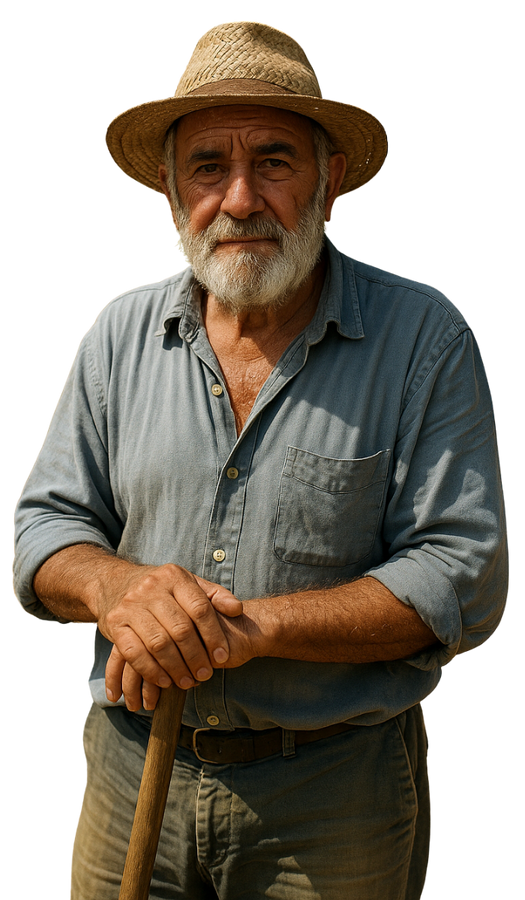
What makes an agritourism experience unique?
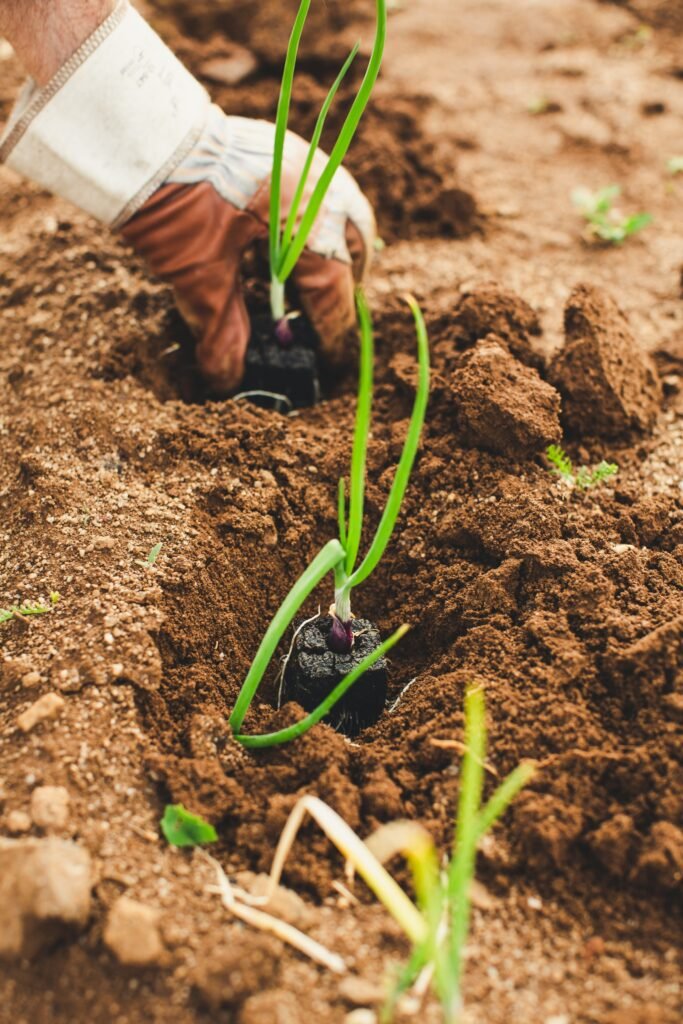
Land cultivated for generations, with animals that are part of everyday life, and products that originate just a few meters from where they are served.
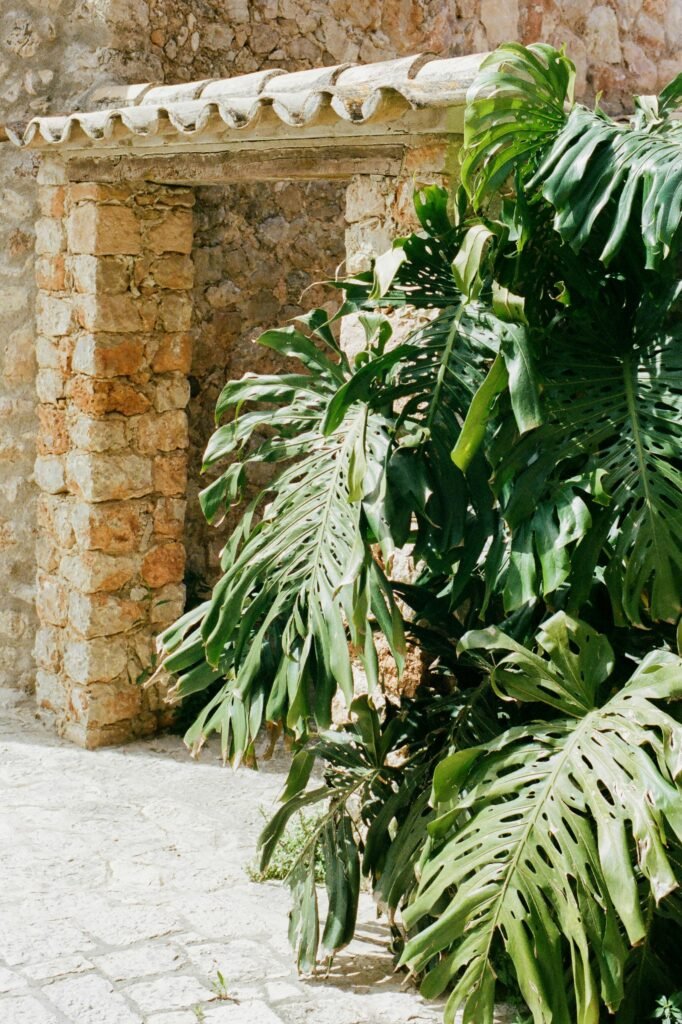
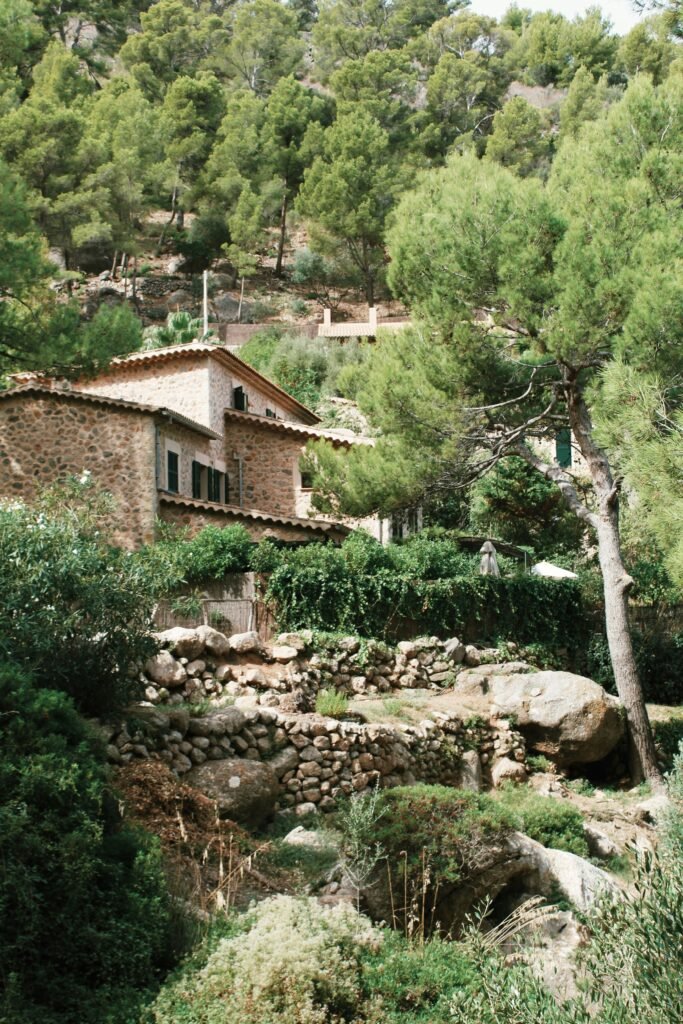
It is true silence. The scent of fig trees, freshly baked bread, damp firewood, or newly pressed olive oil. It is inherited architecture—living stone—and Mediterranean light, warm and natural. It is genuine hospitality: close, unforced, without scripts, without automatisms.
Mallorcan agritourism is, by definition, a personal experience, designed not to be consumed, but to be lived and remembered.
We understand your differences
And we know how to leverage it
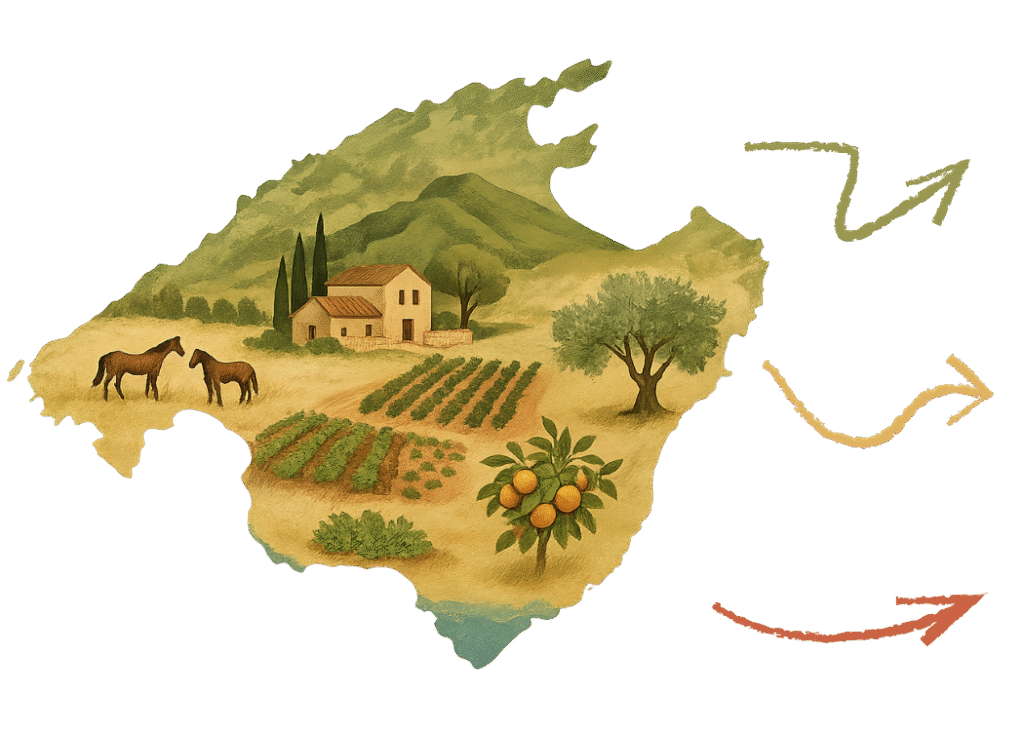
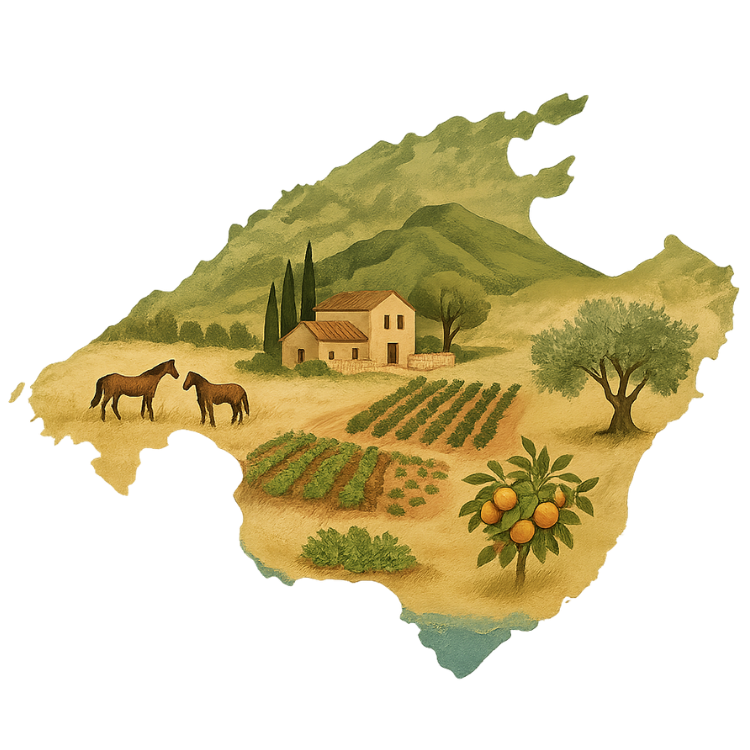
A customer who finds you through social media or engages with emotional content is 70% more likely to book through the direct channel. (Think with Google)
83% of users check online reputation before booking a rural hotel. (Hosteltur)
Social media engagement for agritourism properties (when storytelling and natural visual content are used) is 35% higher than for conventional accommodations. (Heritage, MDPI)
Nexus is an agency specifically designed for agritourism properties. We understand that having a full in-house marketing department is probably not the best option for you, which is why we aim to be your external marketing department—without the costs associated with maintaining one internally.
You will have access to specialized professionals, with personalized follow-up, a comprehensive strategy, local sensitivity, and constant support. We work with a global vision rather than isolated actions, developing a 360º marketing plan in which all areas are connected, ensuring communication aligned with your brand identity. In short, we make sure your marketing works—without you having to manage it.

What your guests value
And how we communicate it
Your agritourism:
It has its own story, a unique offering, and deserves to be told in a different way.
Your Buyer persona:
Your ideal guest has specific characteristics, habits, and interests.


We define your Unique Selling Proposition (USP) and your omnichannel communication strategy
- Your omnichannel recipe brings together your brand identity, competitive advantages, communication tone, values, objectives, and visual style.
- It integrates all your brand’s communication channels to deliver a seamless, consistent, and personalized experience, regardless of where the guest interacts with you.
- A guest may start a conversation on Instagram, continue it by email, make a booking on your website, and then receive a booking confirmation message via WhatsApp.
The guest you choose
Mass tourism vs. purpose-driven tourism
In Mallorca, the traditional hotel model has grown under a predictable formula:
A four-star, all-inclusive hotel focused on British or German international guests, who arrive on the island through a packaged holiday, remain within the hotel grounds, and leave without truly getting to know the land they visit.
This type of tourism seeks sun, beach, and immediate comfort at the lowest possible price. It shows predictable and homogeneous behavior, generates little local impact beyond occasional consumption, and is not motivated by culture, territory, or sustainability.
By contrast, the guest who chooses an agritourism property is looking for the opposite:
They want to discover Mallorca from within, not from a sun lounger. They are interested in local km-0 products, the history of the place, and the authenticity of the surroundings. They connect with the hosts, the space, and the land itself.
They are more selective, more conscious, and more willing to pay for meaningful experiences. This guest is not looking for “cheap holidays.” They seek privacy and transformative experiences that will make them want to return.
A growing sector
Macro Data
73% of global travelers want to experience authentic local experiences when they travel. (Hilton 2025 Trends Report)
More than 60% of tourists in Europe consider sustainability to be a determining factor in their accommodation choice. (European Travel Commission)
45% of luxury travelers in Europe seek stays in rural hotels, eco-hotels, or agritourism properties. (Virtuoso Lux Site)
Rural tourism in Europe contributes significantly to local development and to the economic, social, and environmental sustainability of rural areas, thereby helping to build resilient regional and local communities. (European Commission / UNWTO)
Micro Data
In the Balearic Islands, rural tourism has grown by 35% over the past five years, and agritourism represents one of the highest-rated accommodation types on platforms such as Booking and Google Reviews. (Booking Press Centre)
Agritourism properties have a longer average stay than conventional hotels: between 5 and 7 nights, compared to 2–3 nights in urban hotels. (Hosteltur)
The average booking value for an agritourism property in Mallorca usually exceeds €200 per night, often without intermediaries. (Hosteltur)
Spending on rural tourism has grown faster than on coastal and urban tourism in Spain. (CaixaBank Research)
Contact us
Newsletter
Receive exclusive content to boost your hotel.